
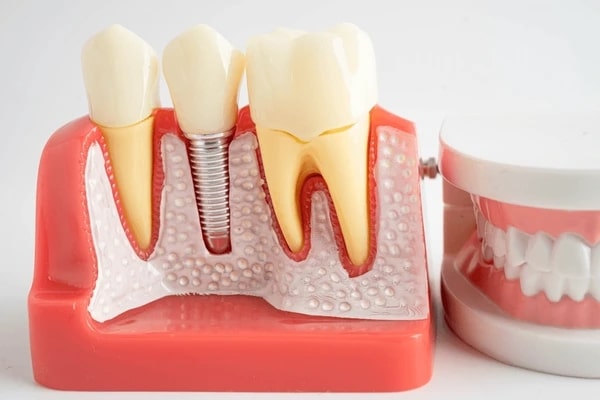
Have you ever wondered how a missing tooth can be replaced in a way that feels stable, natural, and long lasting? Losing a tooth can affect more than just appearance. It can influence chewing, speech, and even the way neighbouring teeth shift over time. Dental implants have become a widely used option in modern implant dentistry because they are designed to support tooth replacement while working with the jawbone itself.
Dental implants are small posts, commonly made from titanium or zirconia, that are placed into or onto the jawbone to support a replacement tooth or teeth. Over time, a biological process known as osseointegration allows the implant to bond with the bone, creating stability. However, not all implants are the same. The type recommended depends on bone quality, the number of teeth missing, overall oral health, and individual suitability.
What Is an Endosteal Implant and When Is It Used?
Endosteal implants are the most common type of dental implant. They are placed directly within the jawbone and act as an artificial tooth root. Once healing has occurred and osseointegration is established, an implant supported crown, bridge, or denture can be attached.
Endosteal implants are typically used when there is adequate bone volume and density. They may support:
- A single tooth implant restoration
- An implant supported bridge for multiple missing teeth
- A full arch dental implant restoration
Key considerations include:
- Sufficient jawbone support
- Healing period after implant placement
- Good peri implant health
- Ongoing implant maintenance
In some cases, bone grafting for implants may be required before placement if bone levels are reduced.
What Is a Subperiosteal Implant and Why Is It Less Common?
Subperiosteal implants sit on top of the jawbone but underneath the gum tissue. Rather than being inserted into the bone, they rest over it. These were historically used when bone height was limited and grafting was not suitable.
Today, with advances in grafting and implant techniques, subperiosteal implants are less common. They may still be considered in selected cases where traditional endosteal implant placement is not possible. As with any implant surgery procedure, suitability assessment is essential.
How Does a Single Tooth Implant Compare to Other Options?
When replacing one missing tooth, an implant supported crown is often considered. A titanium dental implant or zirconia dental implant is placed in the bone, then restored with a crown after healing.
Compared to a conventional bridge, a single tooth implant does not rely on neighbouring teeth for support. However, not everyone is automatically suitable. Factors such as:
- Bone quality
- Gum health
- Medical history
- Smoking status
- Healing capacity
must be evaluated. Healing may occur in stages, with immediate implant placement in selected cases or delayed implant placement where infection or bone loss is present.
What Is an Implant Supported Bridge?
An implant supported bridge replaces multiple missing teeth by anchoring a bridge to implants rather than natural teeth. This can reduce the need for removable dentures and may provide improved stability during chewing.
Considerations include:
- Number of implants required
- Distribution of bite forces
- Maintenance of surrounding tissues
- Long term oral hygiene
As with all dental implant alternatives, other options such as removable dentures or conventional bridges should be discussed so patients can make informed decisions.
What Are Full Arch Dental Implants?
Full arch dental implants are used when an entire row of teeth is missing. Techniques such as the All on 4 concept involve strategically placing implants to support a full arch prosthesis.
These procedures require comprehensive planning, including:
- Detailed imaging
- Assessment of jawbone support
- Evaluation of bite harmony
- Discussion of risks and complications of implants
Healing timelines vary. While some patients may receive a provisional restoration quickly, full healing and integration take time. Results vary between individuals.
What Materials Are Dental Implants Made From?
Most dental implants are made from titanium due to its strength and biocompatibility. Zirconia dental implants are another option, sometimes selected for aesthetic or metal free considerations.
Material choice may depend on:
- Individual preference
- Clinical assessment
- Bone and gum characteristics
- Restoration design
Both materials aim to support stable osseointegration when conditions are favourable.
What Risks and Considerations Should Be Discussed?
Dental implants are considered a well documented treatment option in Australia, but they are not without risk. Potential complications include:
- Infection
- Implant failure
- Nerve injury
- Sinus complications in upper jaw cases
- Peri implant inflammation
Implant stability and success depend on careful planning, accurate placement, and consistent implant maintenance. Long term care includes regular dental check ups, good plaque control, and monitoring of peri implant health.
Overview of Implant Types
| Implant Type | Used For | Key Feature | Considerations |
|---|---|---|---|
| Endosteal Implant | Single or multiple teeth | Placed within jawbone | Requires adequate bone |
| Subperiosteal Implant | Limited bone cases | Sits on top of jawbone | Less common today |
| Implant Supported Crown | One missing tooth | Fixed restoration | Requires healing time |
| Implant Supported Bridge | Multiple teeth | Anchored by implants | May reduce need for removable options |
| Full Arch Implant | Entire arch | Fixed full arch support | Requires comprehensive planning |
Why Is Professional Assessment So Important?
Every case is unique. Some people may require bone grafting for implants, others may benefit from staged treatment. Factors such as diabetes, smoking, and gum disease can influence outcomes.
In Australia, implant dentistry is guided by strict clinical standards. Long term data shows that dental implants can function successfully for many years when appropriately planned and maintained. However, variability exists, and no treatment guarantees identical results.
Considering Dental Implants in Taree?
If you are exploring tooth replacement options, a thorough assessment is essential. At Taree Dental Care, treatment planning focuses on detailed examination, digital imaging, and a clear discussion of implant surgery procedure stages, healing timelines, and alternatives. Whether you are considering a single tooth implant, implant supported denture, or full arch dental implants, the aim is to provide balanced information so you can decide what suits your situation. Every case is assessed individually, and risks, benefits, and maintenance requirements are carefully explained so expectations remain realistic and informed.
Important FAQs
Q1. Are dental implants suitable for everyone?
Not everyone is automatically suitable. Bone quality, gum health, medical history, and lifestyle factors all influence suitability.
Q2. How long does implant healing take?
Healing time varies. Osseointegration may take several months depending on individual factors and whether grafting was required.
Q3. Can implants fail?
Yes. While many implants function successfully long term, failure can occur due to infection, poor healing, or inadequate maintenance.
Q4. Do dental implants require special care?
They require careful oral hygiene and regular professional monitoring to maintain peri implant health.
Q5. What are the alternatives to dental implants?
Alternatives may include bridges or removable dentures, depending on the clinical situation.
Q6. Is implant placement painful?
Procedures are performed under appropriate anaesthesia. Some discomfort during healing is possible and varies between individuals.
References
- Australian Dental Association
https://www.ada.org.au - Australian Government Department of Health and Aged Care
https://www.health.gov.au - National Institute of Dental and Craniofacial Research overview of dental implants
https://www.nidcr.nih.gov/health-info/dental-implant.
Disclaimer
All dental procedures involve potential risks and benefits. The information provided in this blog is general in nature and should not be taken as medical advice. We recommend that you seek guidance from a suitably qualified health professional before making decisions about your oral health. Where appropriate, you may also wish to consider obtaining a second opinion.
Any images or videos featured are shared with the informed consent of our patients and are intended for educational purposes only. They are not a guarantee of results, as every patient is unique. Treatment outcomes — including recovery, potential complications, and effectiveness — can vary from person to person.


