
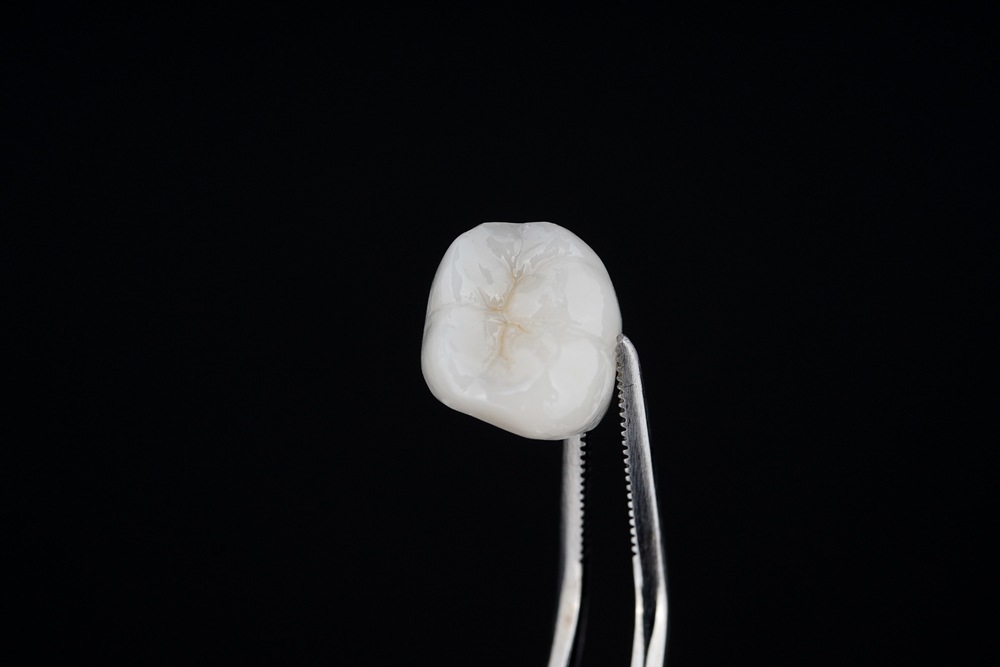
A tooth can look intact and still be too weakened to cope with everyday chewing. If a filling is no longer enough, a crown may be discussed, but the right choice depends on what is happening inside and around the tooth.
A dental crown is more than a cap: it covers a tooth to help restore its shape and function. Understanding the material, preparation and care involved can help you ask useful questions at your appointment. Whether a crown is suitable must be assessed individually.
When might a dentist recommend a crown?
A crown covers most or all of the visible part of a tooth. It may be considered when a tooth has lost substantial structure through decay, a large filling, a fracture or previous dental treatment. The aim is to restore the tooth’s form and help it cope with chewing forces.
A crown is not automatically the next step for every damaged tooth. If enough healthy tooth remains, a filling or another option may be considered. The dentist will assess the amount and location of remaining tooth structure, the condition of the nerve and the surrounding gums.
The symptoms alone do not determine the treatment. A tooth that aches may need a different approach from one that is weak but comfortable. An examination, and sometimes dental imaging, can help clarify the cause and options.
What happens during crown treatment?
Treatment usually begins with an assessment and a discussion of the options. If a crown is appropriate, the tooth is shaped to create space for it. The amount of preparation depends on the tooth and the type of crown planned.
A conventional crown may involve an impression or digital scan, followed by a period while the crown is made. A temporary crown may be placed to cover the prepared tooth. At a later visit, the dentist checks the fit and bite before securing the final crown.
Taree Dental Care also offers same-day CEREC crowns. Whether this approach is suitable depends on the tooth, the clinical findings and the treatment plan. Ask what steps are expected in your case, including whether the tooth needs additional treatment before a crown can be fitted.
Local anaesthesia may be used during tooth preparation. You can discuss any concerns about comfort, past dental experiences or health conditions before treatment begins. Your dentist can explain what to expect and how to contact the practice if you have a concern afterwards.
Comparing crown materials
Crowns can be made from different materials, each with practical considerations. Available options at Taree Dental Care include porcelain-fused-to-metal (PFM), full porcelain and gold alloy. The most suitable material depends on factors such as the tooth’s position, bite, appearance preferences and available tooth structure.
A PFM crown combines a metal base with a porcelain outer layer. A full porcelain crown has no metal substructure. Gold alloy crowns use a metal material. These differences may affect appearance, how much tooth preparation is needed and how the crown functions under chewing forces.
There is no single material that is right for every person or tooth. A front tooth and a back tooth may have different demands. Your dentist can discuss the pros and considerations of each option for your specific situation, rather than choosing on appearance alone.
If you have a metal allergy or sensitivity, tell the dentist before a material is selected. Also mention habits such as clenching or grinding, as these may affect the assessment of your bite and the treatment plan.
What to expect after a crown is fitted
It can take time to get used to the feel of a new crown. Your bite may feel different at first. If it continues to feel uneven, or you find it uncomfortable to chew, contact the practice for advice rather than trying to adjust the crown yourself.
The tooth and gum around it still need regular care. Brush twice daily with fluoride toothpaste and clean between your teeth each day. Pay attention to the gumline around the crown, where plaque can collect. A crown does not prevent decay from developing at the edge where it meets the natural tooth.
Avoid using teeth to open packaging or bite hard objects. If you grind your teeth, ask whether this should be considered in your care plan. A dentist may discuss an occlusal splint in some cases, but suitability needs an assessment.
Attend dental check-ups as advised. These allow the dentist to review the crown, the surrounding tooth and your gums. Contact a dental practice if a crown becomes loose or damaged, or if pain or swelling develops.
Questions to ask before choosing a crown
A clear discussion can help you understand why a crown is being proposed and what alternatives may be relevant. Ask which part of the tooth is weakened and what findings support the recommendation. You can also ask what may happen if treatment is delayed, while recognising that the answer depends on your individual condition.
Ask which materials are suitable for your tooth and why. If same-day CEREC treatment is being considered, ask how the process applies to your case and whether any factors could mean a different approach is needed.
It is also reasonable to ask how many appointments are expected, whether a temporary crown may be needed and how to care for the tooth between visits. Understanding the plan can help you make an informed decision without assuming that one option suits everyone.
Tell the dentist about medicines, medical conditions, allergies and any previous reactions to dental treatment. This information can help the team plan care and discuss any relevant precautions with you.
The Takeaway
A crown may help restore a tooth with significant damage, but the best approach depends on the tooth’s condition, bite and your health history. PFM, full porcelain, gold alloy and same-day CEREC options may be discussed after an assessment.
If you have a weakened or damaged tooth, book a consultation with Taree Dental Care to discuss the findings and treatment options for you.
Frequently Asked Questions
Does getting a crown hurt?
People can have different experiences. Local anaesthesia may be used during preparation, and you can raise comfort concerns with your dentist before treatment. Contact the practice if discomfort after treatment concerns you.
How long does a dental crown take?
Timing depends on the treatment plan and how the crown is made. Some crowns require more than one appointment, while same-day CEREC crowns may be an option in suitable cases. Your dentist can explain the expected steps after examining the tooth.
What is a same-day CEREC crown?
It is a crown made and fitted in one visit using CEREC technology. Not every tooth or clinical situation is suitable, so your dentist needs to assess the tooth before recommending this approach.
Which crown material is best?
There is no universally best material. PFM, full porcelain and gold alloy each have different features. The choice depends on the tooth, bite, appearance considerations and clinical findings.
Can a crowned tooth still get decay?
Yes. The natural tooth remains beneath and around the crown, and decay can develop near its edge. Brush carefully along the gumline, clean between teeth and attend check-ups as advised.
What should I do if my crown feels loose?
Contact a dental practice for advice and avoid chewing hard foods on that side until you have been assessed. Do not try to glue or adjust the crown yourself.
This article provides general information only and is not a substitute for personalised dental advice, diagnosis or treatment. Suitability depends on an individual assessment. Contact Taree Dental Care to discuss your dental needs.


